Here's the theatre that reminded me why I love this art form so much
Out of the 234 shows I saw in 2025, these are the ones that left the biggest marks on me

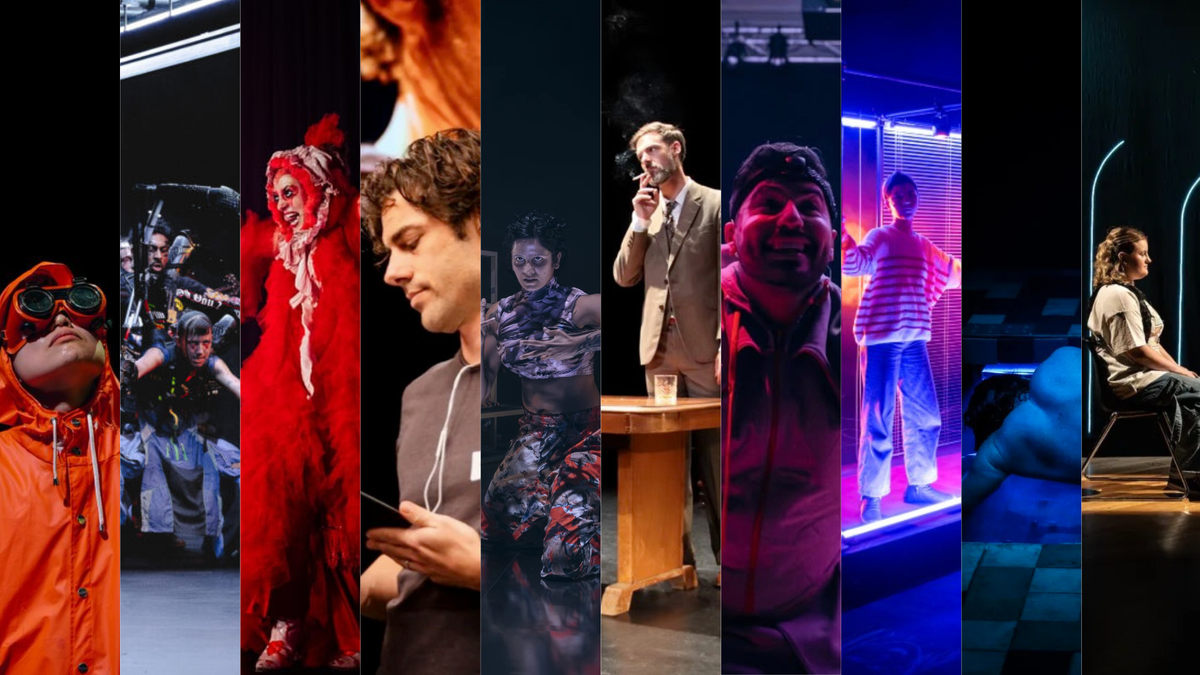
It's been a big year x
This year I saw 234 shows (four less than last year), or a bit over four shows a week. My theatre wrapped got into more of the statistics (some of which are a little insane: 14 days spent watching theatre with 975 performers). But before the year officially draws to a close, I wanted to write about the shows that meant the most to me.
What follows is a list of my ten favourite shows from 2025, presented in the order that I watched them. They span a range of forms, genres, and topics, but they all made me feel alive and even more obsessed with theatre I was. This is theatre which made me optimistic for the future, alive to the present, and healed the past.
Interestingly, I found that the majority of these shows (8/10) were presented as part of a festival, and most of them were also made here in Narrm (8/10). I'm not sure what to make of that, other than the fact that we are so fricking spoilt in this city for brilliant performance.
Let's dive in.
Goldfish
by Terrapin in association with Aichi Prefectural Art Theater
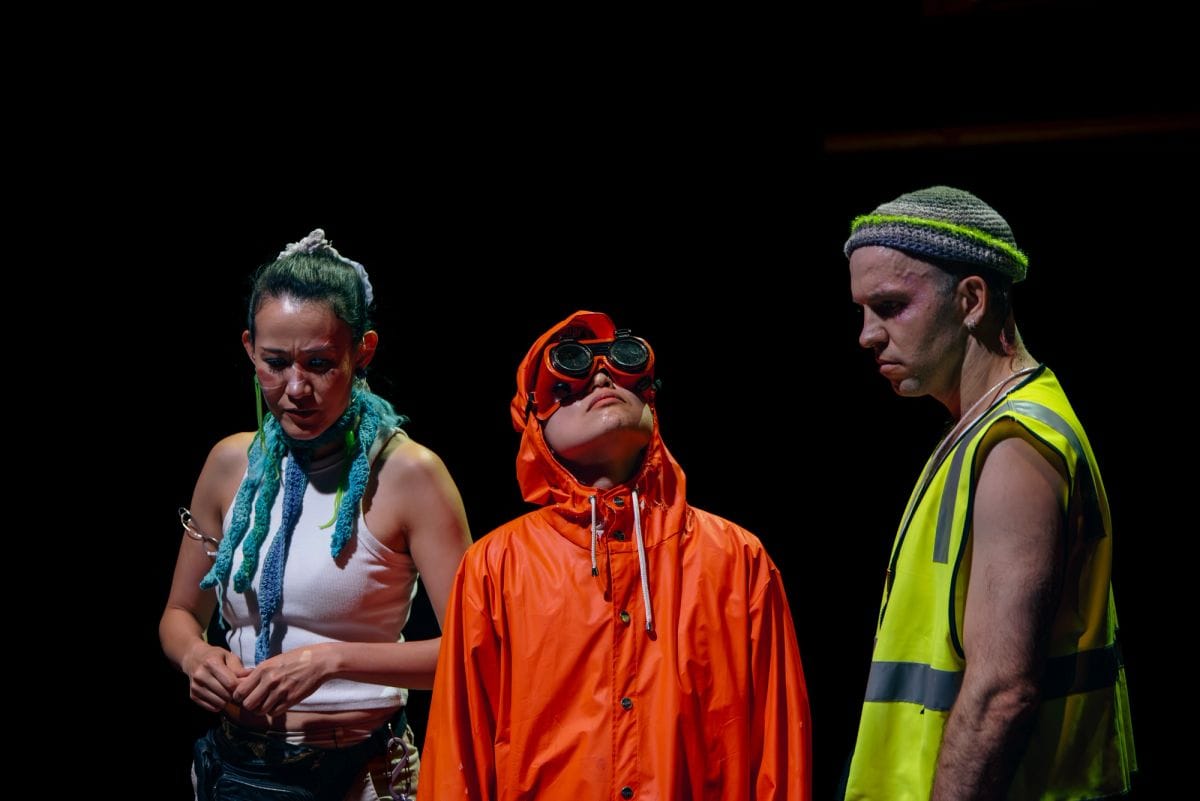
When I caught Goldfish in March, I described it as:
a one person shadow puppetry show, telling us a story about three children on an island facing rising flood waters. But then, in a gorgeous twist, two disaster relief personnel barge into the theatre announcing there’s a flood outside and the theatre is being turned into an evacuation centre. Of course, the puppeteer isn’t going to stop telling us their story, and so they use the personnel and their equipment and supplies to keep on telling the story.
The day I saw this show was the same day that Tropical Cyclone Alfred was due to make landfall on the Gold Coast (my hometown), and it was with all of those prophecies of destruction that I watched Goldfish. I think I’ll treasure this show for a long time, because it seemed to be figuring out a way to live through climate upheaval. I said that:
Goldfish turns the aesthetics of disaster relief into play and offers a reimagining of how some/all of us might find ways to survive climate crises. It’s a work which tells one story nestled inside another, showing us a way to re-read disaster as an opportunity to re-make the world a little bit better.
When I was younger (and more stubborn) I used to think that art about the climate (or really any social justice issue) had to be active—if it didn’t materially fix something then it was just an inert distraction; that it was just preaching to the choir. But in 2019 Fleur Kilpatrick was interviewed by Aussie Theatre about Whale, a climate play of hers, and offered this little nugget of truth which has been seared into my brain for half a decade:
There is always the question of ‘am I preaching to the choir’. It took me years to realise that the choir needs support, rallying and to be told that they are powerful.
I’ve only recently come to fully understand what it might mean to be part of choir that needs support and rallying. Our information ecosystem is being flooded in sh*t and choosing to stay informed feels like inviting a constant state of gaslighting, so seeing something like Goldfish on stage, which tells a story that (despite what conservative media would have you think) the world is going to get very scary and that things will be different is actually incredibly affirming.
In watching Goldfish I got to reckon with my future sitting next to a hundred or so folks doing the same thing—a welcome (and communal) light through the murk of misinformation. Phenomenal.
Also the puppetry and stagecraft was unforgettable. And the set was made out of disaster relief supplies sourced in each location of the tour and given to local orgs afterwards!!! What a way to make theatre make a better world!!! I just loved it so much!!!
U>N>I>T>E>D
by Chunky Move
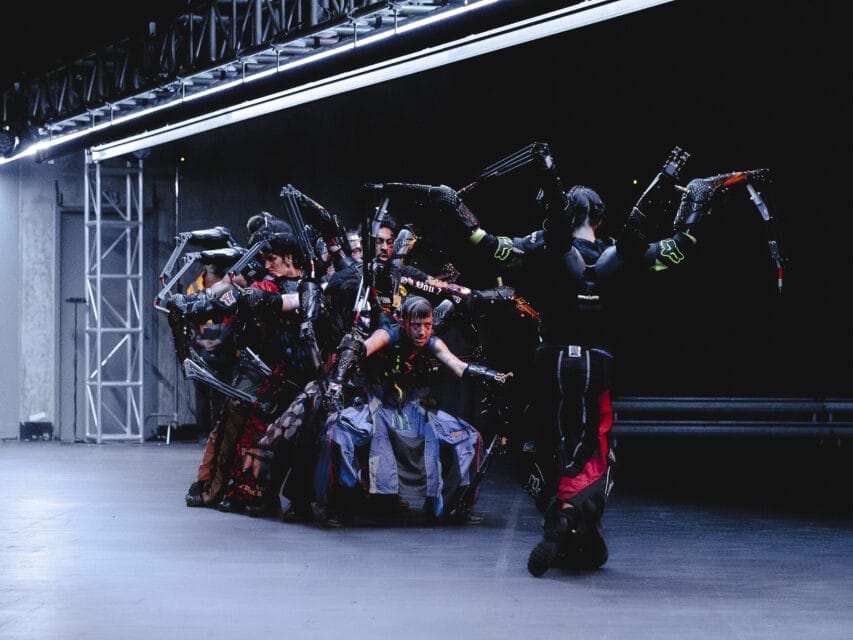
I don’t have the words to properly talk about dance, so bear with me. U>N>I>T>E>D was the most insane collaboration between local dance company Chunky Move, Balinese electronic music duo Gabber Modus Operandi, Balinese streetwear label Future Loundry, and Creature Technology Co. (who make animatronics for theme parks like Universal Studios… what the heck!!!!!).
This review does a far better job of talking about the apparition that was this show:
Chunky Move AD, Antony Hamilton, taps veins of the droid-like and the ceremonial. The choreography shifts between hyper-articulation and fluidity, always appearing to be at the service of a broad brush narrative. Meanwhile, the six dancers rotate through a range of costumes (extra limbs) and grapple with various set structures. They wield, climb and tether. As such, U>N>I>T>E>D scans as a collision of movement based theatre and clan ritual.
…
This is not an easy work. Hamilton and Co have synthesised a dense alloy of cyberpunk, future-noir and tribal spirituality. Its hard metallic surface keeps you at a certain distance, and its often robotic choreography feels frazzled and desperate, as though the dancers were being overpowered. Little more than athletic marionettes.
But…take a breath…let it wash over you and…far from drowning, you may well unearth something resembling clarity.
In trying to make sense of this show I kept thinking about Donna Haraway’s Cyborg Manifesto where she uses cyborg imagery to describe life in the 20th century. Insofar as our bodies and lives are shaped by society and culture (a sort of technology), we can consider ourselves to be amalgams of the organic and inorganic—cyborgs. Haraway writes:
Cyborg imagery can suggest a way out of the maze of dualisms in which we have explained our bodies and our tools to ourselves. This is a dream not of a common language, but of a powerful infidel heteroglossia. It is an imagination of a feminist speaking in tongues to strike fear into the circuits of the supersavers of the new right. It means both building and destroying machines, identities, categories, relationships, space stories. Though both are bound in the spiral dance, I would rather be a cyborg than a goddess.
I think U>N>I>T>E>D was figuring out what it means to be a cyborg. What might be the conclusion to this unholy unity? Haraway offers us this description of cyborgs which felt manifest in Anthony Hamilton’s choreography:
The main trouble with cyborgs, of course, is that they are the illegitimate offspring of militarism and patriarchal capitalism, not to mention state socialism. But illegitimate offspring are often exceedingly unfaithful to their origins. Their fathers, after all, are inessential.
Anywho. I left breathless and agog. I don’t think I’ve ever seen a show which so consumed me as U>N>I>T>E>D.
CVNT
by Sophie Power
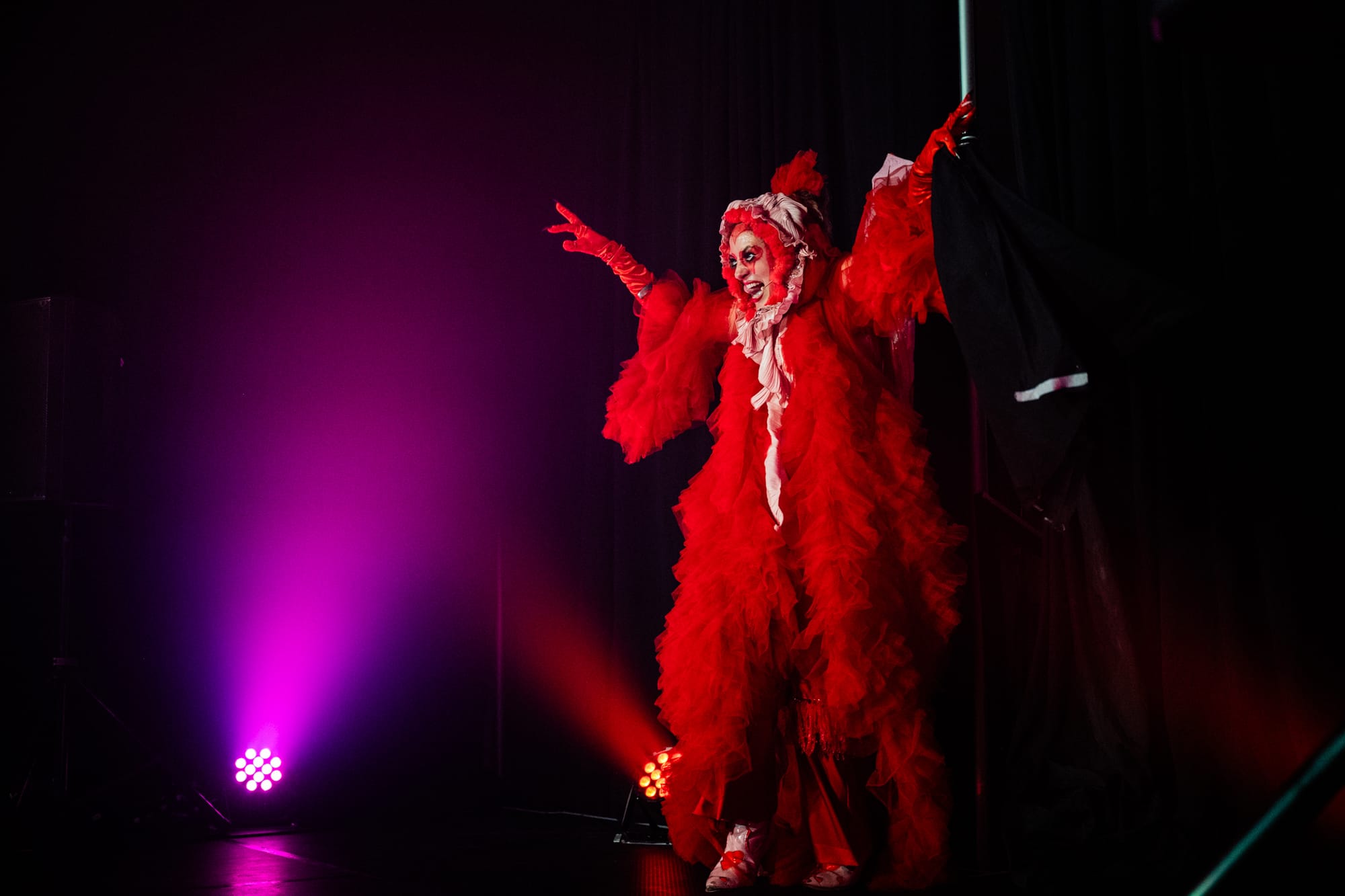
The pitch for CVNT is this: giant talking vagina clown. It’s a perfect concept and it’s delivered perfectly too. There’s rituals with blood, group dance, the most fantastic vagina cosplay, a game of pin the clit on the cvnt, and the opportunity to decry who’s the biggest cvnt we know (in the show I saw someone called out Netanyahu which was phenomenal when we then all had to join in calling him a cvnt).
Sophie Power is a remarkable performer who holds the audience right in the palm of her hand—a pure delight to witness. Channeled through her is a petulant and capricious vulva who somehow transmutes patriarchal capitalism into one of the most hilarious and healing nights out. By far and away this was the best thing I saw at MICF 2025. Just divine. If CVNT comes back you need to see it.
Side note: I am being so real when I say that clown is at the forefront of contemporary performance. We have so many amazing clowns in Narrm and we’re so lucky for it! I love this city’s weird f*cking comedy so deeply. Ugh!!!! Clowns will save the world fr.
POV
by re:group performance collective
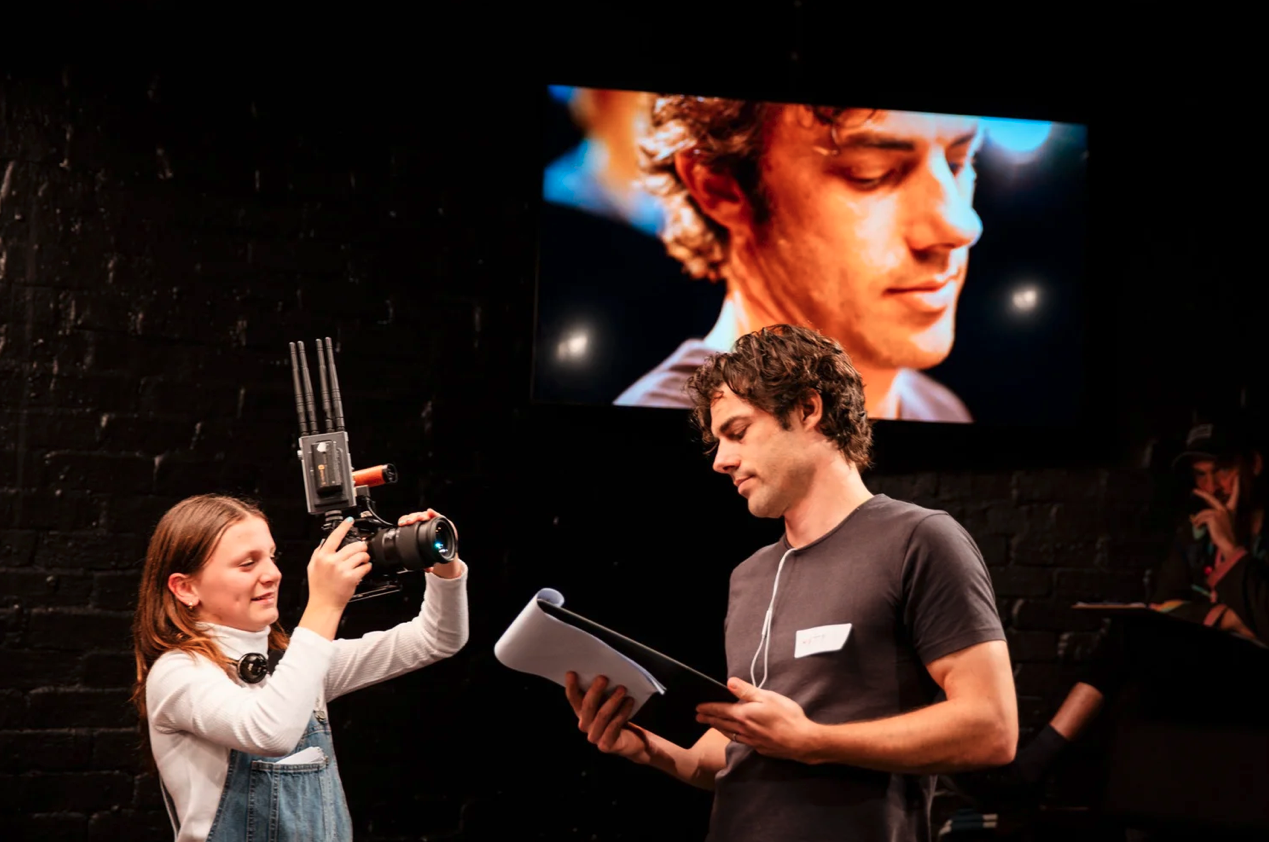
Of all the shows I’ve seen this year which did the ‘unrehearsed actor on stage’ gimmick, this is the one that pulled it off most perfectly.
Two actors, with no clue what’s about to happen, take on the roles of a mother and father whose young daughter is filming a documentary for school. Within the narrative, the mom is experiencing some pretty intense mental health stuff, which the daughter struggles to fully understand—and invariably the documentary ends up being about that. On stage though, what we witness is two adults who don’t know what to do being directed by a kid with a camera, which pulls us right into the kids perspective.
One of the moments that set this show apart from others with unrehearsed actors is that it made their unreahearsedness central to the show’s dramatic tension. The climactic moment was when the actor playing the mom had to explain to the kid what it means to have Bipolar Disorder, based off cursory research they had done before coming to the show. That tension—how do we explain mental health to kids in a way they’ll understand when we barely understand it ourselves—was so fully realised and felt in that moment. Devastatingly beautiful.
POV teaches us about the cost of hiding our struggles, and what proper communication can look like, and how care can manifest in families. Plus the stage craft and use of the live camera was beautiful, and the way they integrated the requirements of working with a child performer into the show were soooo fun (we all got to share in the mandated five minute break for the kid). Just so excellent and full of heart.
Monolith
by Joel Bray Dance
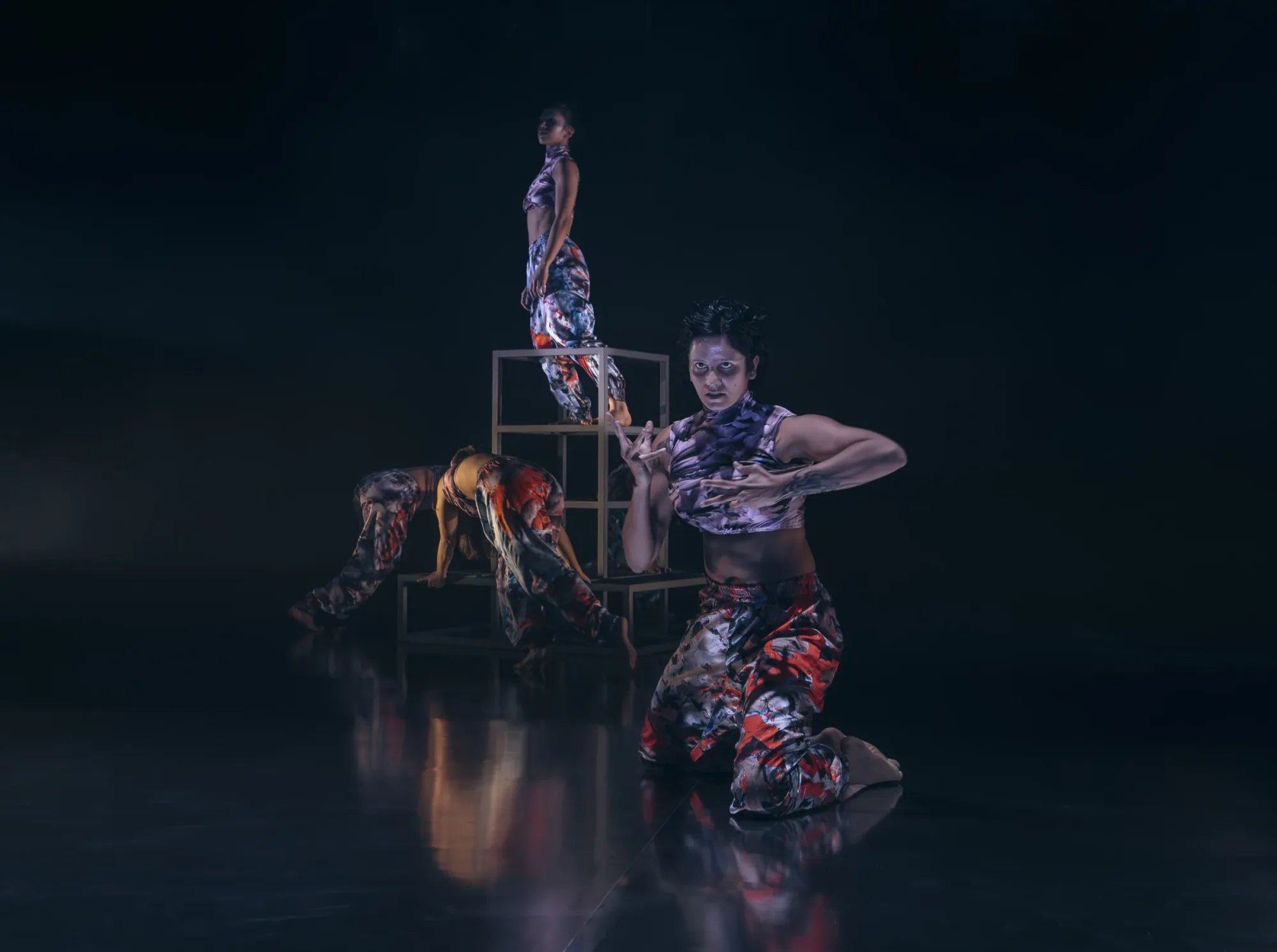
Another dance show I have no words for! This time it was for Monolith, an examination of resistance from Wiradjuri choreographer Joel Bray through the lens of stone monoliths which have stood for millenia.
The first third of the show or so consisted of the ensemble moving so slowly that I really struggled to tell what was changing, but I could sense something was. It felt like time had either been suspended or sped up so much that I was watching rocks dance. This was pure magic. I wish I could have become stone and sat there forever.
I’m going to echo everything Alison Croggon said about the show in The Saturday Paper:
Watching this show feels like moving through different kinds of time, from the geological time of rocks and tectonic plates to the organic ecstasy of human gods or godly humans. As the audience enters the venue, the dancers are onstage, draped around a sculptural metal construction by Jake Preval that is scarcely visible in Katie Sfetkidis’s low lighting. At first you’re not sure the dim shape is dancers, but as they begin to stir they reveal themselves, emerging in movement that suggests continental drift or lava flow and evolves – literally, I think – to the emergence of animals, birds and human spirits.
Croggon hits the nail on the head. Pure magic from start to finish.
Smokescreen
by Christopher Samuel Carroll
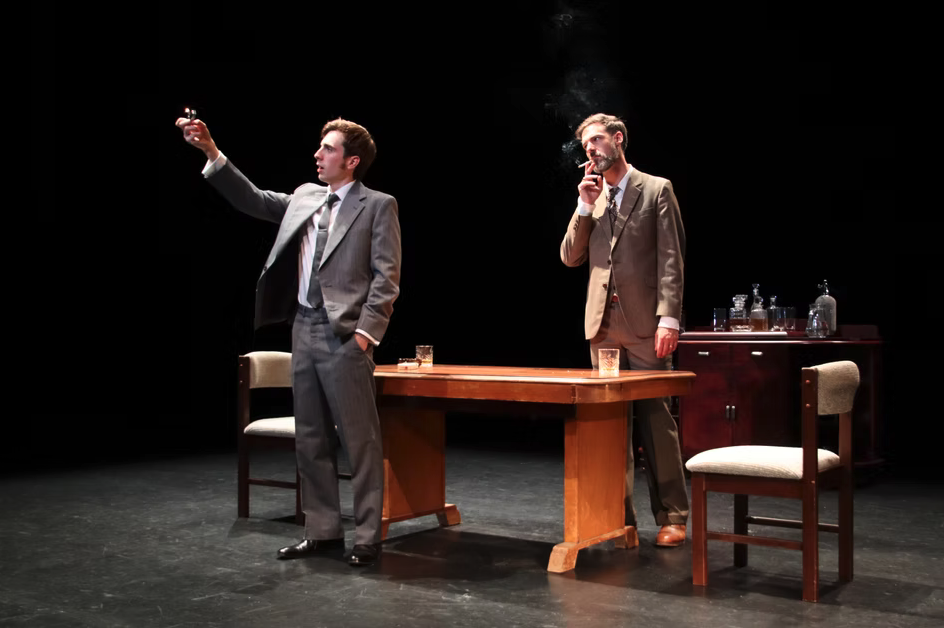
Ok, so this show feels like a rogue pick for my top ten—it had everything I hate in theatre: chairs and tables, one realistic setting, straight white male characters, and endless dialogue. And true to form, I was bored out of my mind for the first twenty minutes of the show—I truly could not give a flying f*ck what these two marketing executives in the oil and tobacco business had to say to each other. I studied marketing in uni, and I did not need to hear a theatremaker try to explain the psychology that underpins marketing to me at all.
And yet, and yet!! When writing about the show on Instagram I said:
In a profoundly delightful way the show unfurled into a riveting and personal examination of cognitive dissonance, complicity, and the modern age’s cult of death. The two characters engage in this rhythmic tennis match of a conversation as they discuss without a lick of regret how the world’s nicotine and gasoline addictions can be stoked and manipulated even as they face (and weaponise) public scrutiny. Literally sickening!
I found the emotional richness of the characters a beautiful contrast to the theatrical sparseness: just two men and a table which thankfully was at least in traverse, so they earn exciting points for that. Would love to also note that Damon Baudin delivers a singularly magnetic performance (again! Did you see boys on the verge of tears?!!!). There’s also some interestingly impressionistic lighting which evoked a haze of diffused smoke drifting through room but at times it was too abrupt or harsh to fully realise that vision.
Could it be a little shorter? Sure. Did I found it a profoundly affirming experience which reminded me profoundly why I had to quit my last grown-up marketing job? Absolutely. It’s definitely not for everyone (had an interesting conversation with someone afterwards who felt like the show was preaching to the choir) but it was definitely for me.
All of what I said absolutely still holds true for me. I was totally captivated by this.
Crisis Actor
by Vidya Rajan, Sam Mcgilp, and Andrew Sutherland
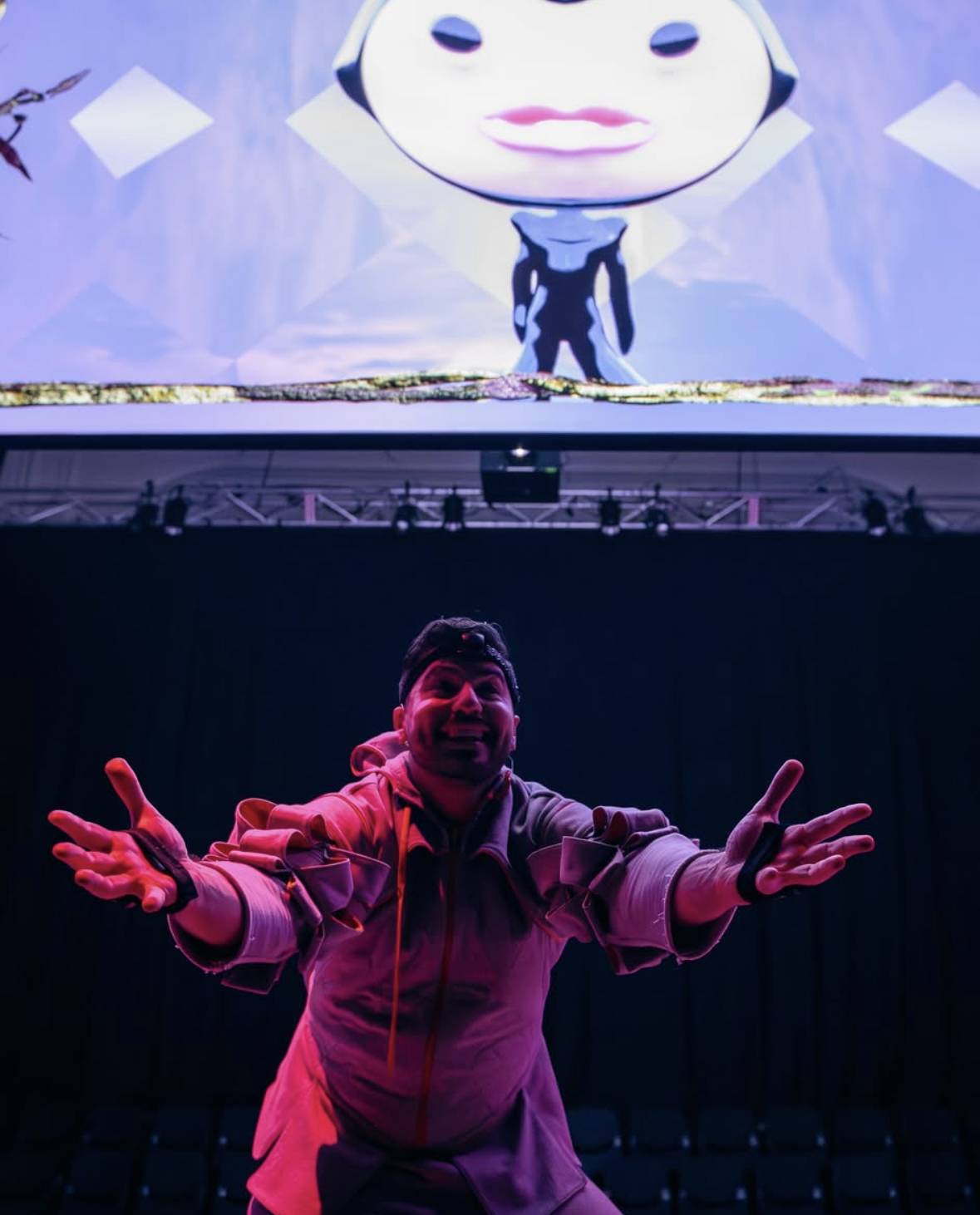
This show is f*cking tricky to explain (I took half of my Insta reel about the show to do so), but god it was brilliant. Crisis Actor invites you into a post-apocalyptic world where some sort of virus spread through flowers has poisoned most of the world, and the survivors are left to compete in a horrific game show where the performance of their trauma is key to survival.
The show used technology and game design to implicate us in its cruelty. We spent the whole show logged into our phones which let us participate in a group chat projected on stage, and to vote on who we wanted to succeed in the challenges, which included who cried the best, and who looked the saddest. Winning meant the opportunity to actually talk about what happened to you; a dystopian representation of how social media algorithms filter our perception of war and force victims to turn their trauma into content to earn a voice.
There was just so much going on in this show, but the technical design was just standout. The group chat that we were all in was constantly active with the audience making memes out of these (real) stories of genocide, being horny for the host, and reducing the victim-participants to aestheticised simulacra of people.
In forcing us to reckon with our complicity to human suffering, Crisis Actor reveals to us the horror that the information age has wrought on us. Dystopian and essential theatre.
The Censor
by Cassandra Fumi and Vidya Rajan
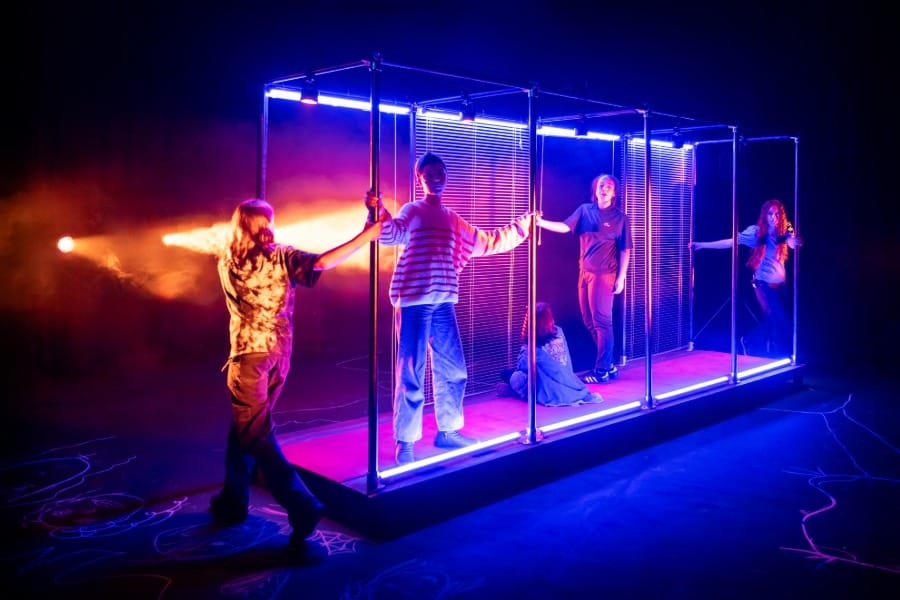
Amongst the many f*cked up things done by governments on this continent this year, the teen social media ban stands tall as an absolute mess of a policy decision. About two months before it lead to me having to scan my face to read a Substack, I caught The Censor.
This was a show performed by an ensemble of kids which dared to give young people a hint of the self-determination they’re owed—by asking them to be their own censors. It turns out kids actually know a lot about what they think they’re ready and not ready to experience.
The show kicks off with a discussion of American Psycho, where the kids debate pros and cons for its censorship and so they end up reenacting scenes from it to see how they find it. Eventually the kids' parents intrude into the show, and everyone has to reckon with how we afford young people agency while protecting them.
I think one of the most frustrating things about the politics in this country at the moment is the fact that no one actually talks to those affected by something before doing it. This country is built on a deep and horrific sense of paternalism which does a disservice to all of us (and contributes to our ongoing horrific human rights abuses). The Censor was so theatrically thrilling because it didn’t try to speak for anyone, it just asked kids what they think. And what they tell us is that they’re smart and self aware enough to know what media they’re ready to consume.
No Seasons
by Oliver Ayres
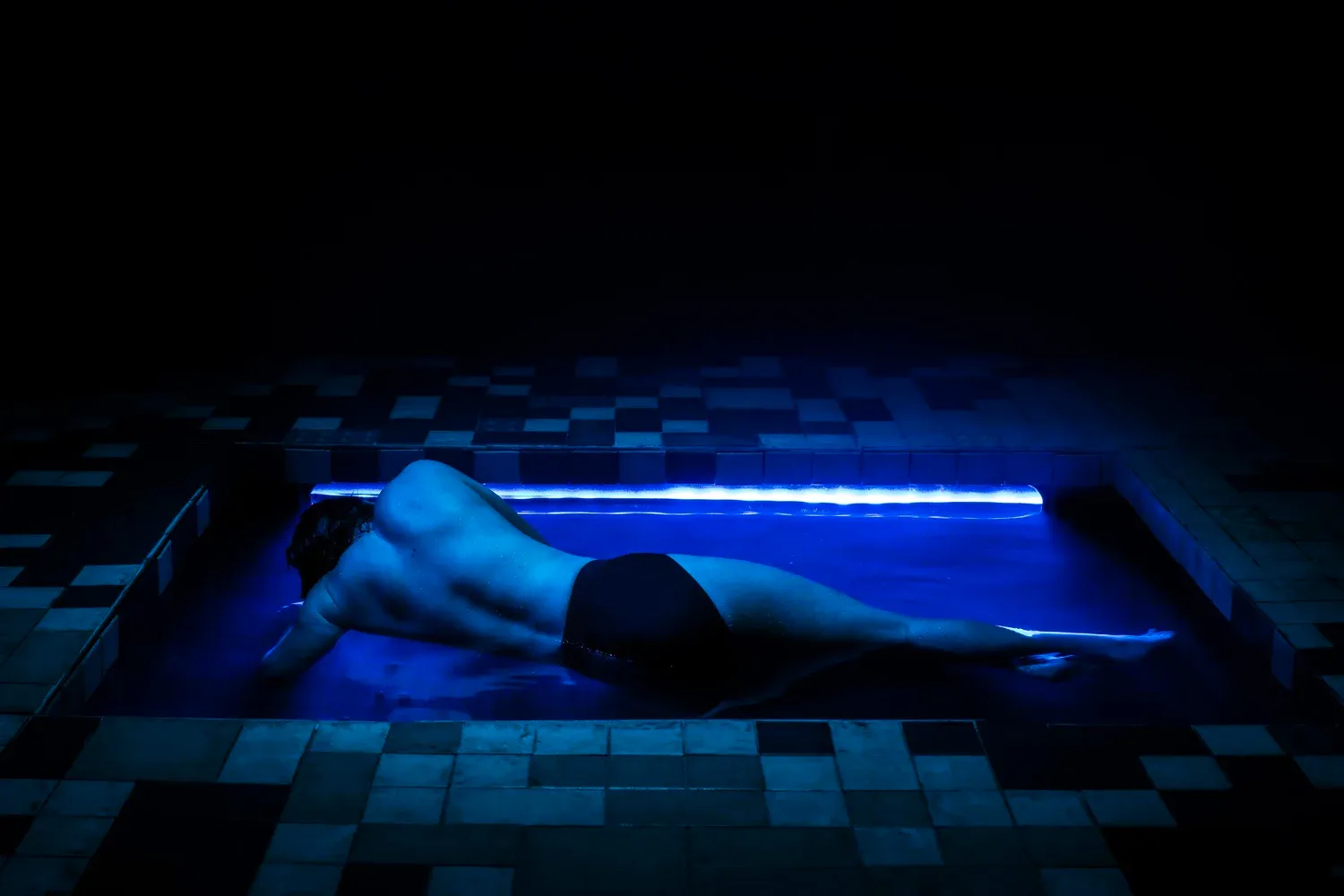
Last year I called Oliver Ayres’ I'm Ready to Talk Now one of the best things I had seen in 2024, and remarkably he’s followed it up with something that to my taste might have topped it.
The content of No Seasons is experienced through headphones you don before entering a room with an ornate pool. This is used by Ayres as a site for reflection and movement during the show. Meanwhile, in your ears you hear conversations between Ayres and those close to him, exploring:
Ayres’ decision to have his eggs removed before transitioning, and the big question of what do with those eggs now. Now that he’s older and has chronic illnesses and maybe doesn’t want kids what’s he meant to do with a bundle of eggs on ice? Especially with the world going as it is? What if he gave them away? What if he met the kids one day? And in between all the big questions and not-yet-big-enough answers is a heart-openingly vulnerable conversation between his mom and him. Where did she come from? And where might his offspring sit in this big messy web?
The above is from my review, in which I then wrote:
Strikingly unadorned and yet I was left changed in the way all good art changes you. It felt like standing in a shower with the hot water cascading over me for an entire hour, an enclave to think about my own family and lineage and place in the world.
Ayres' work proves the maxim that the key to making work that connects deeply to others is through specificity—I couldn’t necessarily relate to Ayres, but I could feel alongside him, something that felt raw and true and generous and reparative. I loved it.
In addition to reviewing (and loving) the show, I wrote a response to one of No Seasons’ other reviews which was just hideously transphobic (and in the process got the most clicks of anything I’ve ever shared on my story lmao).
One Night Only
by Jackson Castiglione and Rawcus
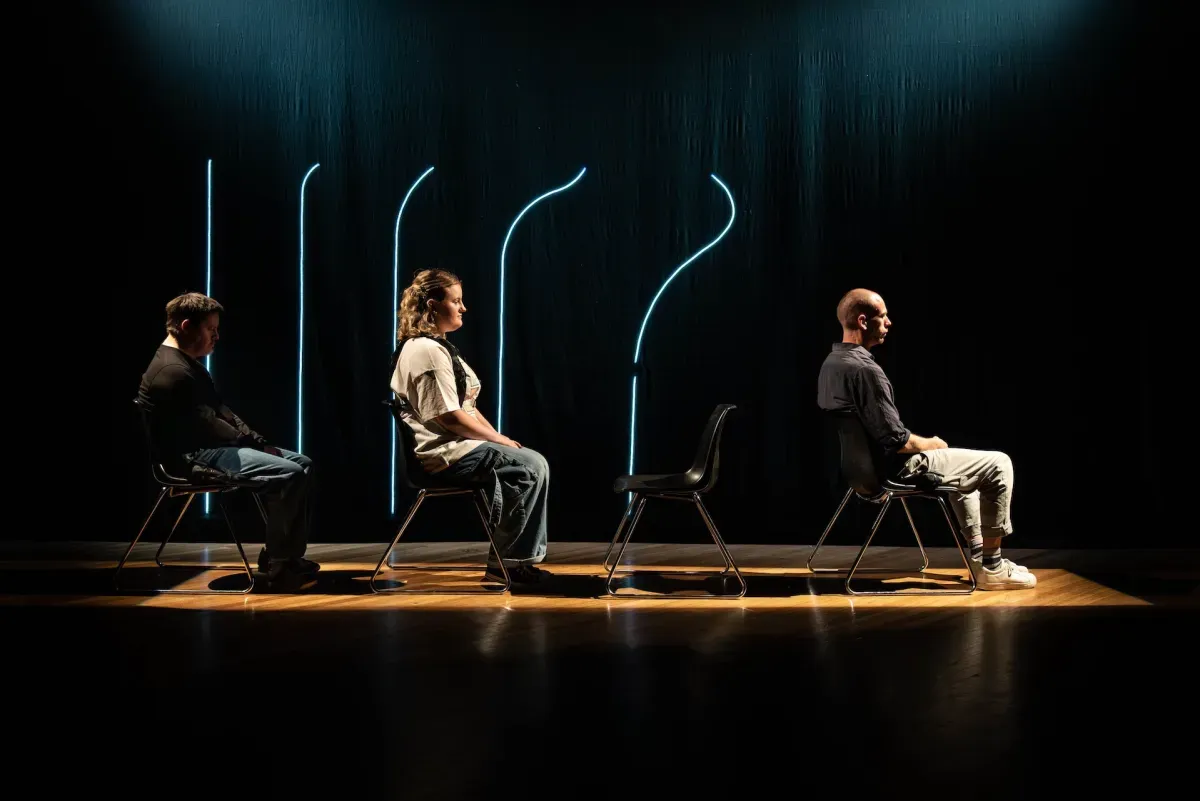
One Night Only takes the concept of an ‘unrehearsed performer’ and flips it on its head by making the show about that performer (I yapped more about it on Instagram), with a script filled with moments from their life for them to re-live on stage, guided by the Rawcus ensemble.
It’s a crazy pitch which really comes together—especially as it’s revealed later in the piece that the selection of moments we’ve seen are an amalgam of not just tonights participant’s life, but the lives of every other participant and ensemble member. It’s a brilliant theatrical tool to underscore the universality of our experiences and our capacity to empathise with others.
I was puzzling over which of the two Rawcus shows I’ve seen this year would make my top ten (it would be excessive to include Tattoo Show as well I thought). Ultimately I settled on One Night Only because I think it more masterfully uses its participants to shine a light on our similarities. Tattoo Show, as emotionally rich as it was, seemed to use its participants more as additional seasoning rather than the key ingredient of the work.
What One Night Only achieves on the other hand, is entirely possible because of its use of external participants. I wish more people who want to make theatre with unrehearsed actors understand this—if you want to bring external performers into your show, you have to give them a voice—otherwise we’re just watching an unrehearsed play (which really isn’t that compelling).
Anywho. One Night Only was a magical way of imagining how all of our lives intersect and cross over. Stunning.
Wait there’s more!
Just because I loved soooo much theatre this year here’s another ten of my favourite shows (in order that I saw them).
- God's Favourite by Scout Boxall
- De Profundis by Oscar Wilde (in a reading directed by Dino Dimitriadis performed by Paul Capsis)
- The Black Woman of Gippsland at Melbourne Theatre Company
- Heartbreak Hotel by EBKM
- The Anarchy (1138-53) by Doppelgangster
- Tattoo Show by Rawcus (again!)
- Poems of a Transsexual Nature by Cynda Beare
- Auto-tune by re:group performance collective (again!)
- Whitefella Yella Tree by Dylan Van Den Berg
- Meow Meow's Red Shoes
And some notes about this newsletter
When I did my wrap up last year, I wrote a very quick little intro to this newsletter, pitching it as a weekly dispatch of mini reviews, reflections on my own practice, and documentation of my reading. I wanted to "write much more regularly about the theatre I see and my artistic practice."
I kind of did that—I kept the newsletter going weeklyish for almost half of the year, until it got to a point where the regimented structure put me off. I pivoted, and started doing a whole lot more on social media—which I've loved. Algorithmic media allows for an audience which goes beyond what my newsletter gives me (so far) and reaches further than the geographic bounds of a local theatre scene.
As much as social media is contributing to misinformation, anti-intellectualism, and reactionary thinking, I am stubbornly optimistic about it as a place to critique art and build audiences for this art form. It's far from the place to have the entire conversation, but I think it is a useful and exciting place to begin it. It's still crazy to me how often people have messaged me this year thanking me for recommending shows to them—that is so exciting and I'm so lucky to have been able to share the excellence that is performance in Narrm with more folks (and so lucky that people have trusted my taste).
If social media is the place to begin a conversation then, I think this newsletter could be a place for longer and deeper writing. That's part of why I was frustrated by the structure I had settled on which felt far too superficial. But without it, I'm a little unsure what I have to say is interesting enough. (I think this is imposter syndrome, and I'll have to spend the next year getting over it.)
Luckily, I read this gorgeous end of year reflection from Celine Nguyen (who also wrote this this very excllent post on the tricky business of describing a work of art in a review) where she talks about the process of writing as a way to become an idealised version of yourself:
I’m touched by writing that frankly displays the writer’s aspirations—to think more clearly, to behave more ethically, to live with greater integrity. Writing can be a way of forming these aspirations and holding yourself accountable to them—until the traits which are affected, which are performed, become natural to you.
I like this idea a whole lot: writing to become. I think I'd like to figure out (through this newsletter) who and how I'd like to be in the world (even if it's a little cringe on the way). I think theatre is a rich source of ways to think about our world, and I'd like to talk about that. Even if it'll be terrifying to actually share an opinion that isn't one about theatre (what if it's been said before... what if I've missed something... what if I become a writer of tepid takes destined for the Substack bargain bin?)
Another thing that strikes me about Nguyen's writing is how it is stuffed full of references and quotations in a way I feel my writing hasn't been. I had a similar thought the other day while reading the incredibly dense but luminous Cruising Utopia: The Then and There of Queer Futurity by José Esteban Muñoz:
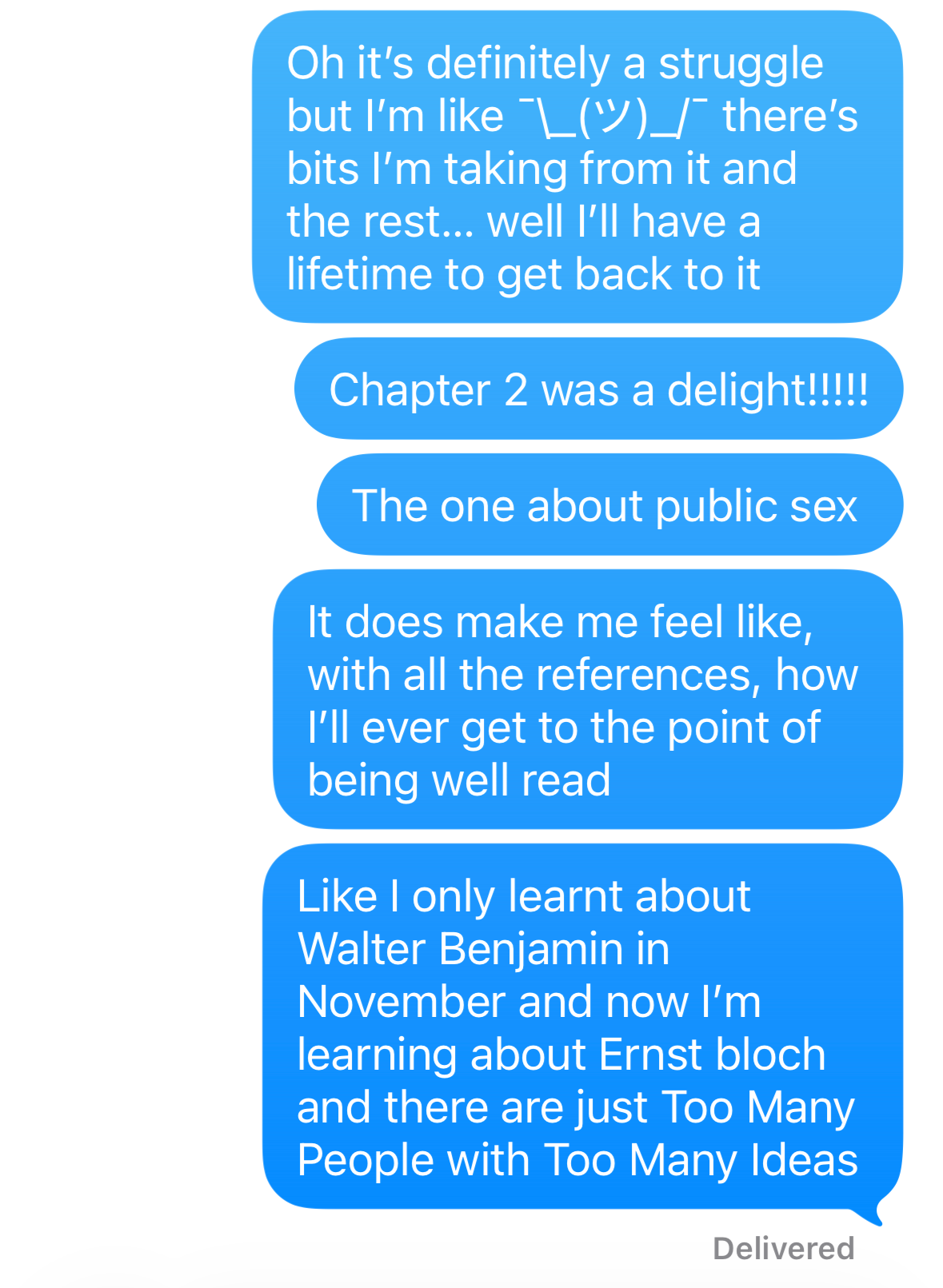
I feel a certain deficiency in the references I have to support my writing. But then again, the primary media that I consume is theatre, which is a lot harder to reference than a journal article. Both because of the whole ephemerality thing but also the limited audience any given show's gonna have. Maybe I should be referencing it all anyways? Stitching together a local canon or something. (Or maybe everyone will be confused when I reference a one-off fringe show I saw seven years ago. How exciting it'll be to experiment with this.)
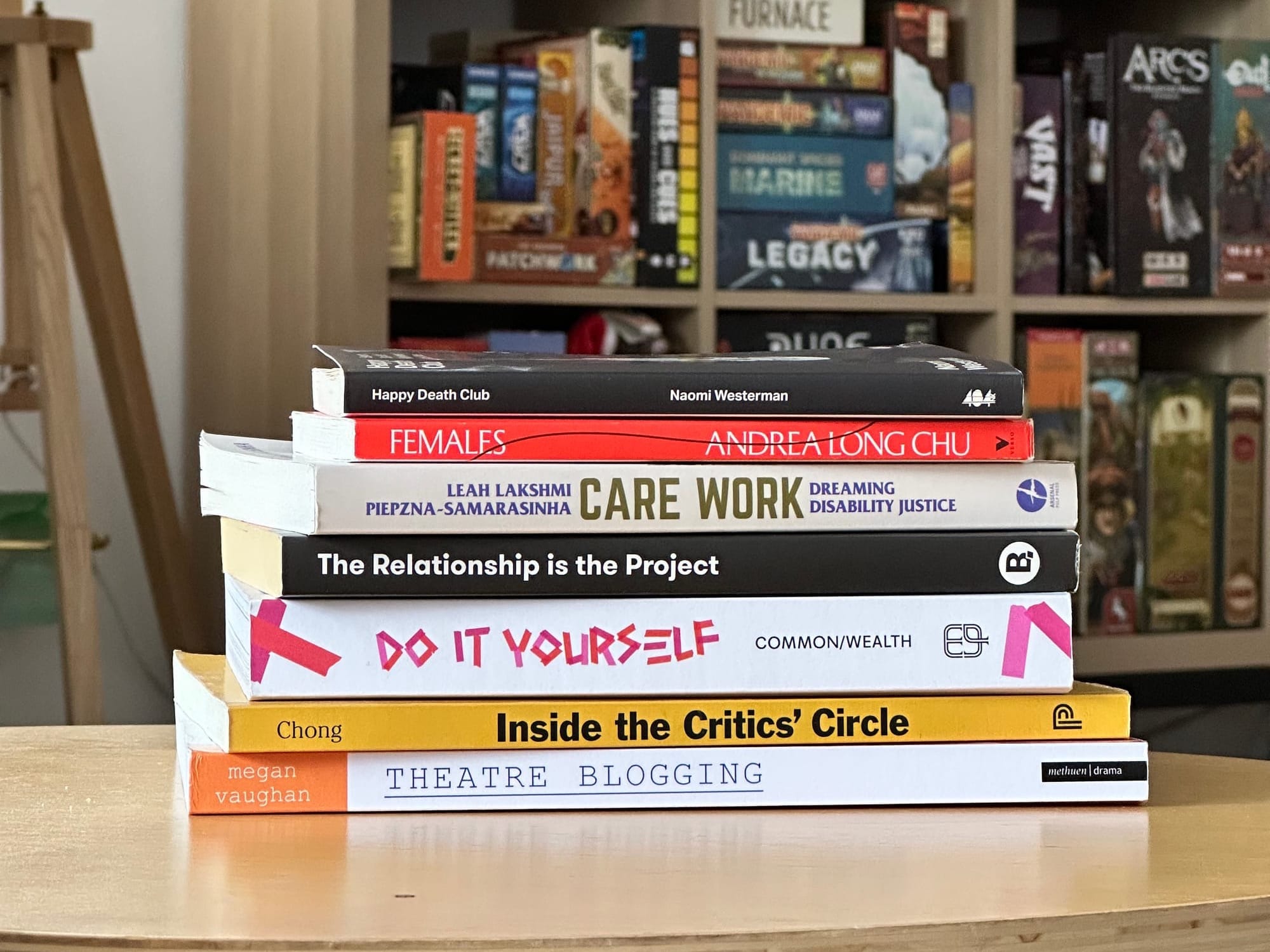
What I'd like to achieve in 2026 then, is a way of writing that is more expressive, referential, and conversational. On the last point, one of the (many) highlights of my year was reading Theatre Blogging: The Emergence of a Critical Culture by Megan Vaughan which made me nostalgic for an era of theatre blogging that I didn't get to experience.
In the first decade or so of the 21st century the internet gave rise to a healthy culture of blogs about theatre where writers would engage in thick and vivid discourse about what they were watching. Narrm had that too, but as Google's algorithms changed and social media changed our media consumption habits, the culture seems to have (mostly) died. But god—it seemed like the best of times.
In 2026 I'd like to somehow revive that critical culture. I think a lot of the reason I don't find the energy to write more here than I do is that it often feels like speaking to the void (whereas on Instagram and TikTok there's usually a healthy amount of discourse). I don't have a finished plan here, except a hope for more writers writing more exciting things about the theatre in this city.
I think our artists deserve serious critics who are willing to put in as much work into thinking about their art as they do in making it. No more bullsh*t pay-to-win review blogs giving everyone and their dog four stars. Serious criticism only please!
That about sums up what I'd like to achieve from this newsletter/critical practice in 2026. To recap:
- Keep investing in my social media practice, making those quippy little reviews and heaps more of roundups of the work that I'm looking forward to.
- Read more books. I have earnestly filled my Storygraph with all the books I've read in 2025 so maybe it'll help motivate me to read more in 2026.
- Experiment more with my writing, and see what I can actually say about theatre and the world (and play with form too)
- Learn more than three adjectives. Not everything can be phenomenal!
- Resuscitate Narrm's critical theatre culture (watching theatre is serious business and we should treat it as such!)
- If you wanna chat about how to get started writing a newsletter, I'd love to share notes!
For a project that really started because I wanted to get more free theatre tickets—it's been such a wonderful and rewarding journey. Thanks for coming along with me.
I hope you've had a great year, and that 2026 is even better for us (there's the optimism speaking). I'd love to hear about the shows you've loved and what you're excited for. Let's keep in touch x